Meermin Wholecut Chelsea in Rust Waxy Commander A Closer Look
Meermin has built its name on properly made, Goodyear-welted footwear at prices that undercut most of the competition, and its wholecut Chelsea is one of its best-known boots. My first Meermins were a pair of shell cordovan boots on the HOK last back in 2020 , so I keep a close eye on what the brand does next.
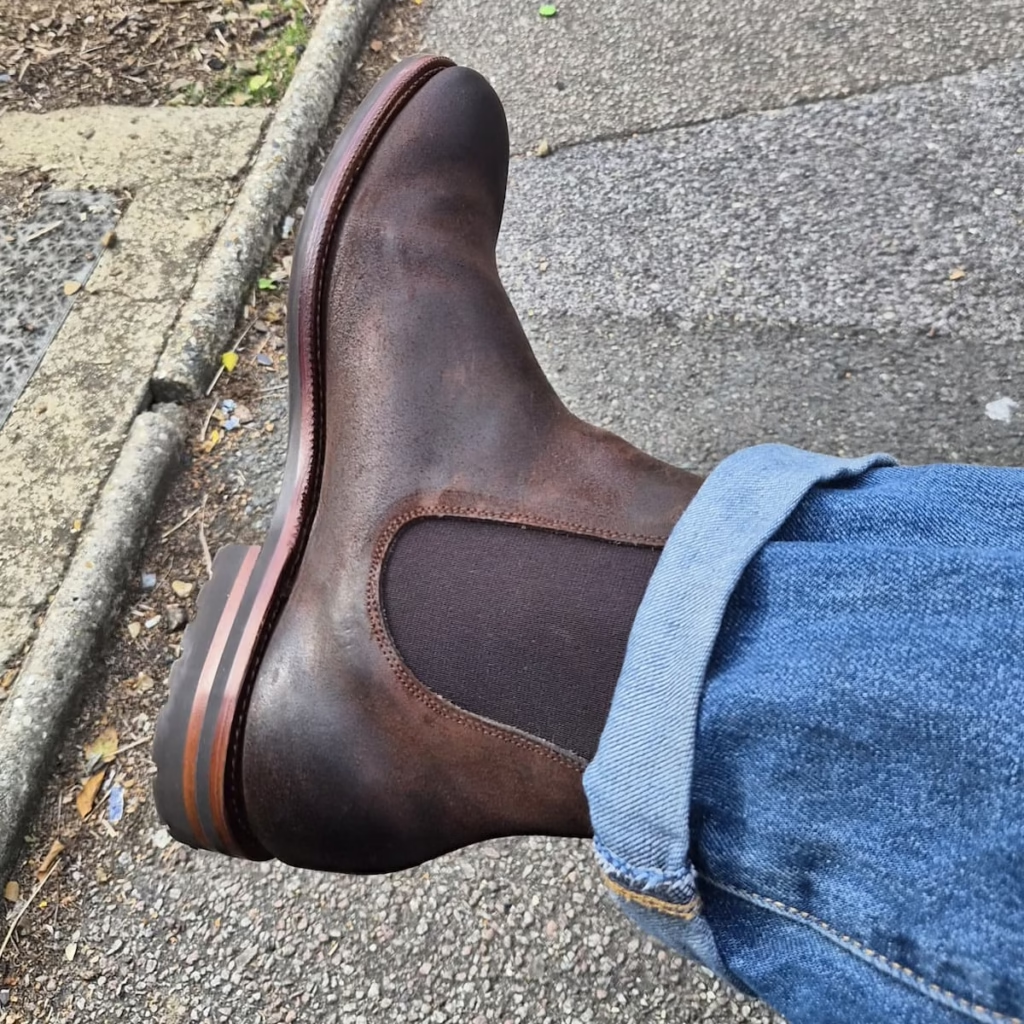
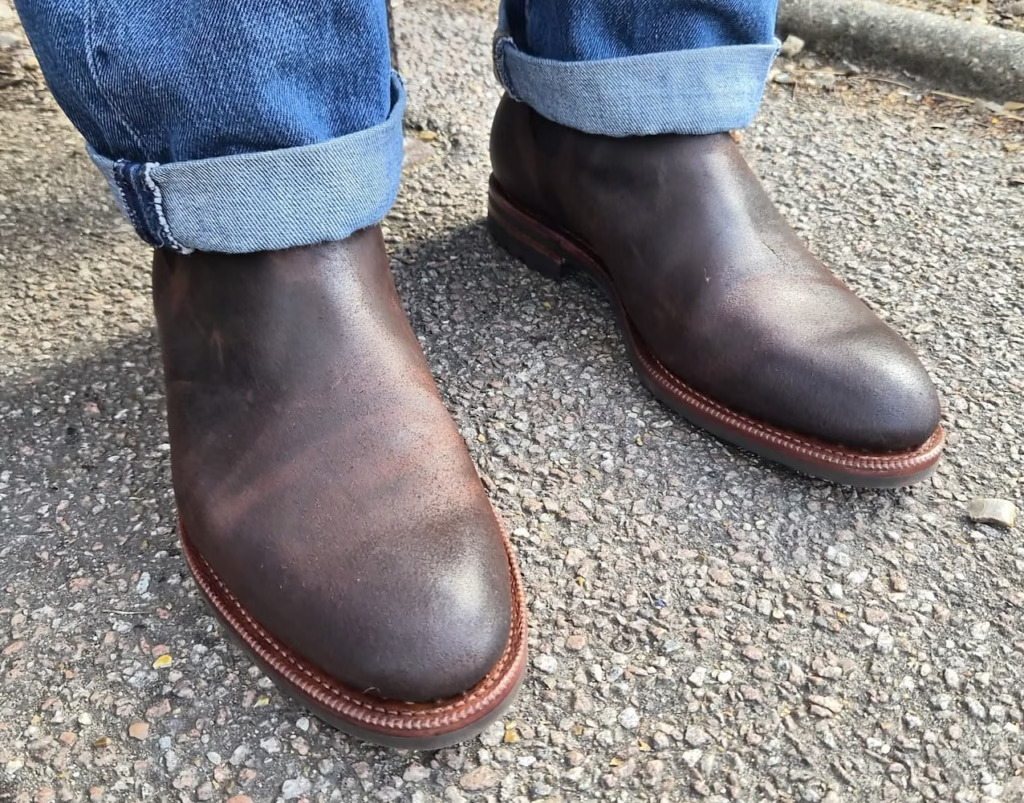
This version, model 514015, is the one I’d point most people towards for autumn and winter. Meermin calls it the newest take on its Wholecut Chelsea. It’s Flex Goodyear welted on the roomy Negon last, cut from C.F. Stead’s Waxy Commander in Rust, and priced at £250.
Key Features (From Official Specs)
| Detail | Meermin 514015 |
|---|---|
| Price | £250 |
| Style | Wholecut Chelsea, hand-blocked on the last |
| Upper | C.F. Stead Waxy Commander in Rust (waxed suede, chrome tanned, 1.8–2 mm) |
| Construction | Flex Goodyear welt |
| Last | Negon |
| Fitting | UK E (medium) |
| Outsole | Double city lug rubber |
| Lining | Horsehide |
| Insole | Vegetable-tanned leather |
| Sizes | UK 2 to 15, including half sizes |
The Leather: C.F. Stead Waxy Commander
Waxy Commander is one of the best-known British boot leathers. It comes from Charles F. Stead, a Leeds tannery with more than a century of history. The leather was developed in the 1990s at Dr. Martens’ request as a rugged, waterproof suede. Unlike suedes that are only waxed on the surface, it’s waxed within the tannage as well as on top. Stead’s proprietary tannage also shrinks the hide’s fibre structure by up to 25%, which is a big part of why it’s so hard-wearing. I’ve written a full explainer on the leather.
In practice, Waxy Commander is a forgiving leather. The Rust colour is a warm reddish-brown, and the wax finish can be burnished to move it around, so scuffs tend to blend in rather than stand out. For upkeep, Meermin recommends an occasional coat of Famaco’s dubbin wax, or Famaco Renovateur for lighter protection.
Wholecut: Is it really different?
Most Chelsea boots are made from several pieces of leather, with seams running under the elastic gussets. A wholecut is cut from a single piece, so the only seam sits at the back of the heel. Meermin cuts this boot from one piece of leather and hand-blocks it on the last. Wholecuts take more skill and a larger unblemished section of hide, which is why they usually cost more. When Stridewise asked bootmakers about practical benefits, there was no real consensus beyond the cleaner look. At £250, getting a wholecut at all is a big part of this boot’s appeal.
The Negon Last: How It Fits
Meermin designed the Negon for its newer boots, with a wider, flatter toe, a supportive heel and a generous forefoot meant to feel comfortable from day one. After a year of wear, Stridewise found it roomy in the forefoot by European standards but low-profile and fairly snug over the instep, which suits low and normal insteps. If you have a high instep, it’s worth trying a pair before you commit.
Sizing is refreshingly simple for UK buyers. Meermin uses UK sizing throughout and recommends men take their regular UK size in this style, while women go one full size down from their usual Meermin size. If you’re between sizes, Meermin says to go up. This model only comes in E fitting (a US D), so there’s no wide option.
A traditional Goodyear-welted boot has a layer of cork under the insole. Meermin’s Flex version swaps the cork under the forefoot for foam, which makes the boot lighter, more flexible and better at absorbing shock. The trade-off, according to Stridewise, is that the footbed won’t mould to your foot quite as much as a traditional build. It’s still Goodyear welted, so a cobbler can resole it.
That matters if you’ve found Meermins stiff before. I described the leather on my own Meermin boots as tough and stiff in my Cheaney Tweed review, so the softer Flex build and suede upper should make for an easier break-in. One more thing: the vegetable-tanned leather insole is structural, so it can’t be removed to fit orthotics
Where Meermin Boots Are Made
Meermin is a Spanish brand, but Stridewise notes its boots are made in China. Whether that matters is a personal call. Either way, it’s a big part of how Meermin can pair a premium British leather with a resoleable construction at this price.
How It Compares
Meermin’s Rust Waxy Commander Workboot (514386): Meermin also makes a lace-up workboot in the same Rust Waxy Commander on the Negon last, with a Commando sole and an unlined shaft. Choose the Chelsea for slip-on ease, or the workboot for a chunkier look and a lace-up fit.
Cheaney Waxy Commander boots: Cheaney also uses C.F. Stead’s Waxy Commander for one of its most popular collections. If you want the same leather on a boot made in England, that’s the obvious step up, though you’ll pay more.
iberg Chelsea: At the top end, I’ve unboxed Viberg’s Natural Waxed Flesh Chelsea and asked whether it was worth $700, which shows how far below the luxury tier the Meermin sits.
Pros and Cons
What I like
- A wholecut Chelsea in genuine C.F. Stead Waxy Commander for £250
- A roomy Negon forefoot and native UK sizing
- Lighter and more flexible than a traditional Goodyear welt, but still resoleable
- A weather-ready leather and lug sole suited to British autumns
- A scuff-friendly finish that’s easy to maintain
What to consider
- E fitting only, so there’s no wide option
- The snug instep may not suit high-volume feet
- The forefoot foam won’t mould to your foot like cork does
- Made in China, which matters to some buyers
- The elastic gussets mean it’s weather-resistant rather than fully waterproof
Who Should Buy It?
The 514015 suits anyone who wants one Chelsea to wear from the commute to a muddy country walk, without babying it. It’s a strong pick if you find most Chelseas pinch across the forefoot, or if you want a proper British leather without paying British-made prices. If you have a wide or high-volume foot, or you want a traditional cork-filled build that moulds to your foot, look at Cheaney or a dressier Meermin last instead.
Lorem ipsum dolor sit amet, consectetur adipiscing elit. Ut elit tellus, luctus nec ullamcorper mattis, pulvinar dapibus leo.