When your favorite pair of shoes starts showing signs of wear, especially on the outsoles, you probably want to fix them so that you can wear it for as long as you can. The possibility of shoe repair, re-sole or refurbishment (All basically the same words) largely depends on how they were constructed. Understanding the various shoe construction methods can help you determine if resoling is feasible and cost-effective.
In this comprehensive guide, we’ll explore different construction techniques, their repairability, and what to consider when seeking shoe repair services.
Table of Contents
Goodyear Welt Construction
The Goodyear welt is renowned for its durability and ease of repair. In this method, a strip of leather, known as the welt, is stitched to both the upper and the insole. The outsole is then attached to the welt using a separate stitch, creating a layered construction. This design not only provides excellent water resistance but also allows for multiple resolings without compromising the shoe’s integrity.
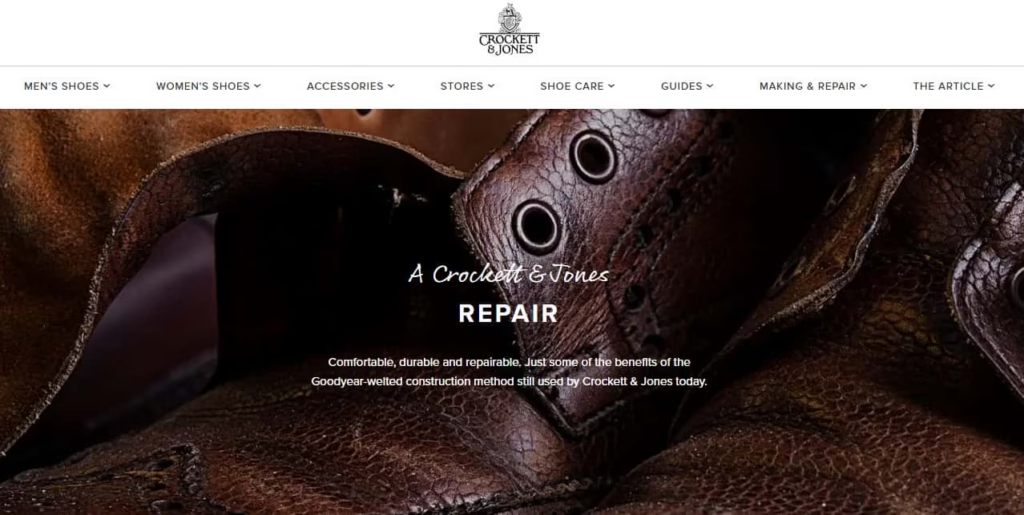
Many high-end dress shoes and boots utilize Goodyear welt construction. Luckily Goodyear welted shoes can be repaired by majority of your local cobblers or often by the manufacturers of your boots or shoes. Many brands offer this service, you will be able to find this service on the manufacturer’s website.
Blake Stitch Construction
Blake stitch construction involves directly stitching the outsole to the insole and upper, resulting in a sleek and flexible shoe. While this method allows for a close-cut sole, it requires specialized machinery for resoling. Not all cobblers have access to a Blake stitch machine, which can make repairs more challenging and potentially more expensive. However, when performed correctly, resoling a Blake-stitched shoe can extend its life significantly.
Stitchdown Construction
In stitchdown construction, the upper is flared out and stitched directly to the midsole or outsole, often visible around the shoe’s perimeter. This method provides a rugged aesthetic and is commonly used in work boots and casual footwear. Stitchdown shoes can typically be resoled, though the process may be more complex due to the unique stitching technique. It’s essential to consult with a skilled cobbler experienced in stitchdown repair to ensure the best results.
Veldtschoen Construction
Veldtschoen construction is similar to stitchdown but offers enhanced water resistance. The upper leather is turned outward and stitched to the midsole, with the outsole stitched separately. This creates a sturdy and weather-resistant shoe, often favored for outdoor and country footwear. Resoling Veldtschoen shoes is possible, but due to the complex construction, it’s advisable to seek out cobblers who specialize in this method to maintain the shoe’s durability and appearance.
Cemented (Adhesive) Construction
Cemented construction, also known as adhesive or glued construction, involves attaching the outsole to the upper using strong adhesives. This method is cost-effective and common in mass-produced footwear. However, cemented shoes are generally not designed for resoling. Attempting to replace the outsole can damage the upper, and the adhesives may not bond effectively a second time. For cemented shoes, minor repairs might be possible, but full resoling is often impractical.
However, depending on the design, it might be possible to save your beloved shoes. You will need to find a highly specialized repairer and the price may outweigh the cost of the shoes itself, so often it’s discouraged to do this.
Identifying Your Shoe's Construction Method
Determining how your shoes were constructed can guide your repair options. Look for visible stitching around the sole’s perimeter, which often indicates Goodyear welt or stitchdown construction. If the sole appears to be directly attached without visible stitching, it may be cemented. For a definitive assessment, consider consulting a professional cobbler who can identify the construction method and advise on repairability. I wrote something that may help you, so have a look here.
Signs Your Shoes Need Resoling
Recognizing when your shoes require resoling can prevent further damage and extend their lifespan. Common indicators include:
- Visible holes or thinning in the outsole
- Uneven wear patterns, especially at the heel
- Reduced traction or slipping
- Water seeping through the sole
Addressing these signs promptly can save you from more extensive (and expensive) repairs down the line.
Benefits of Resoling Shoes
Opting to resole your shoes offers several advantages:
- Cost Savings: Resoling is often more affordable than purchasing a new pair of comparable quality.
- Environmental Impact: Repairing reduces waste and the demand for new materials, contributing to sustainability.
- Comfort Maintenance: Keeping your well-broken-in shoes means you don’t have to endure the break-in period of new footwear.
Finding a Qualified Cobbler
Not all shoe repair shops offer the same level of expertise. When seeking a cobbler:
- Research Reviews: Look for shops with positive customer feedback and a reputation for quality work.
- Inquire About Experience: Ensure the cobbler has experience with your shoe’s specific construction method.
- Ask About Materials: Quality repair materials are crucial for a successful resole.
In the same vein, make sure the cobbler uses materials that match or exceed the original quality of your shoes for a seamless repair.
Cost Considerations for Resoling
The cost of resoling depends on the construction method, materials used, and the cobbler’s expertise. Here’s a general breakdown:
- Goodyear Welt: Resoling typically costs between $80 and $150 due to the labor-intensive process and quality materials involved.
- Blake Stitch: Costs range from $60 to $120, as the process requires specialized machinery but less stitching compared to Goodyear welt.
- Stitchdown and Veldtschoen: Prices vary widely, often between $100 and $180, depending on the complexity of the repair.
- Cemented Shoes: Resoling is less common and usually costs $40 to $70 for minor repairs, though full outsole replacement is rarely feasible.
Investing in high-quality repair services ensures a longer lifespan for your shoes and better overall value.
Caring for Resoled Shoes
Once your shoes are resoled, proper maintenance can extend their life even further. Follow these tips:
- Condition the Leather: Use appropriate leather conditioners to keep the uppers soft and resistant to cracking.
- Rotate Your Shoes: Avoid wearing the same pair daily to allow time for the materials to rest and recover.
- Use Shoe Trees: Wooden shoe trees help maintain the shoe’s shape and prevent moisture buildup.
Limitations of Shoe Repair
While resoling can restore most shoes to excellent condition, there are limitations:
- Shoes with severe upper damage or structural issues may not be worth repairing.
- Overly worn or cracked midsoles can complicate resoling, particularly for Blake stitch and cemented construction.
- If repair costs exceed the price of a new pair, consider whether the sentimental or monetary value justifies the investment.
Environmental Impact of Resoling
Resoling shoes is an environmentally friendly choice. By repairing rather than discarding footwear, you:
- Reduce waste in landfills.
- Lower the demand for new materials and energy-intensive manufacturing processes.
- Support sustainable practices within the fashion industry.
Opting to repair instead of replace aligns with eco-conscious living and promotes a circular economy.
Conclusion
Resoling your shoes is a practical and sustainable solution that preserves your favorite footwear and saves money in the long run. Understanding the construction method of your shoes—whether Goodyear welt, Blake stitch, stitchdown, Veldtschoen, or cemented—helps determine repair options and feasibility. With the right cobbler and care routine, your shoes can last for years, maintaining their comfort and style.
Whether you’re a long-time boot enthusiast or someone exploring shoe repair for the first time, investing in proper maintenance ensures that your footwear remains a valuable part of your wardrobe.
Quick Takeaways
- Goodyear welt, Blake stitch, stitchdown, and Veldtschoen shoes are resolable, while cemented shoes are less repairable.
- Resoling preserves the lifespan, comfort, and appearance of your favorite footwear.
- Repair costs depend on the shoe construction method and materials used.
- Proper maintenance after resoling can extend the life of your shoes significantly.
- Resoling shoes is an eco-friendly alternative to replacement, reducing waste and promoting sustainability.
FAQs
1. How do I know if my shoes can be resoled?
Check for visible stitching on the outsole or consult a professional cobbler to determine the construction method.
2. Can cemented shoes be repaired?
Cemented shoes can sometimes undergo minor repairs, but full resoling is rarely feasible.
3. How often should I resole my shoes?
Resole your shoes when the outsole shows significant wear, such as thinning, holes, or reduced traction.
4. Is it worth the cost to resole shoes?
Yes, especially for high-quality footwear with durable construction. Resoling is often more economical than buying new shoes of comparable quality.
5. Can I resole my shoes at home?
While minor repairs may be possible at home, professional cobblers have the tools and expertise to perform high-quality resoling.